How to improve energy efficiency in an older home
Improving energy efficiency in an older home is crucial for reducing energy bills and enhancing comfort. Consider conducting an energy audit, which will highlight areas of inefficiency and provide a roadmap for improvements that can lead to tangible savings.
Conducting an energy audit
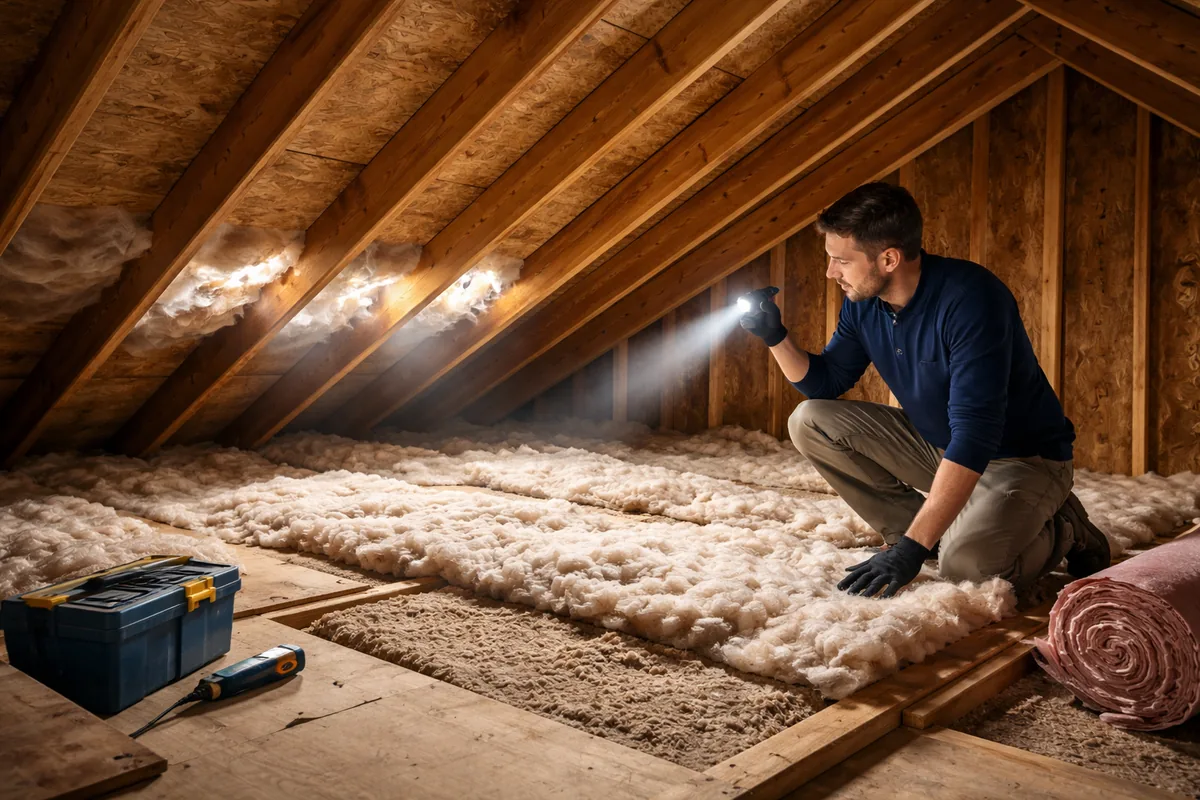
Start by assessing your home’s energy use. An energy audit can be performed by a professional or through a DIY approach. Professionals will use tools like blower door tests and thermographic inspections to identify leaks and inefficient appliances, while a DIY audit can involve checking for drafts, inspecting insulation levels, and evaluating lighting types. This step helps pinpoint specific areas to target for energy efficiency improvements.
Upgrading insulation
Older homes often lack adequate insulation, leading to significant heat loss in winter and heat gain in summer. Increasing insulation levels in attics, walls, and basements can drastically improve energy efficiency. Materials such as fiberglass batts, cellulose, and spray foam can be effective. For attics, consider adding a minimum of 10 to 14 inches of insulation to maintain desired R-values. Improving insulation not only leads to reduced energy costs but also increases overall comfort.
Sealing air leaks
Even with good insulation, an older home may still have numerous air leaks. Common leakage points are around windows, doors, electrical outlets, and plumbing penetrations. Sealing these gaps with caulk, weatherstripping, or spray foam can significantly reduce both heating and cooling costs. It’s recommended to use a blower door test to locate the leaks accurately and then seal them using appropriate materials. Sealing air leaks can improve overall energy efficiency by up to 30%.
Replacing windows and doors
Older homes often have single-pane windows and poorly insulated doors, which can be major sources of energy loss. Upgrading to double- or triple-glazed windows, as well as properly fitting doors that utilize energy-efficient techniques, will help maintain indoor temperatures while decreasing reliance on heating and cooling systems. Though the upfront cost may seem high, the investment pays off with lower energy bills and increased property value.
Upgrading HVAC systems
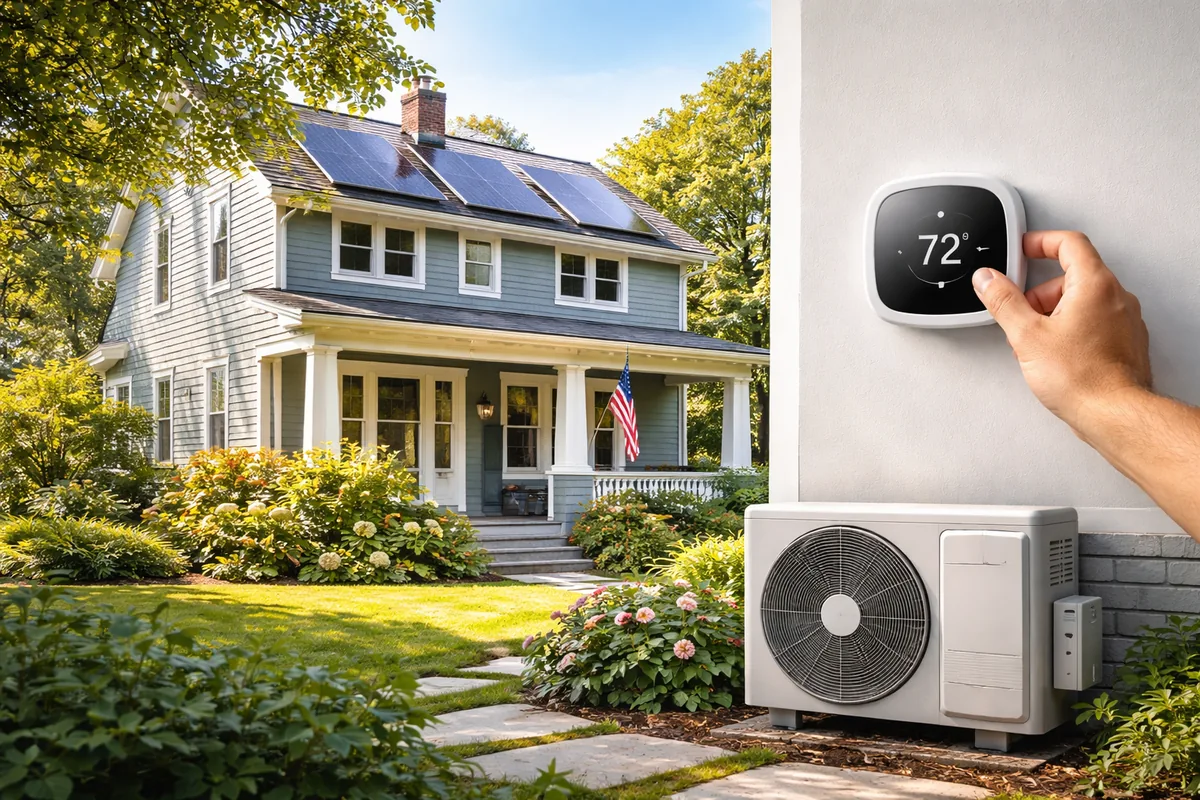
Old HVAC systems can be both inefficient and costly to operate. Consider replacing an outdated system with an ENERGY STAR® rated model that will provide better efficiency. Ensure the new system is appropriately sized for your home, as an oversized unit can cycle on and off too frequently, leading to inefficient operation. Regular maintenance, such as cleaning coils and checking refrigerant levels, will also prolong the longevity of your HVAC system and its energy efficiency.
Implementing energy-efficient lighting
Switching to LED or CFL bulbs can significantly reduce energy usage compared to traditional incandescent bulbs. LEDs consume about 75% less energy and have a lifespan of 15 to 25 times longer. Assess the lighting in each room and replace existing bulbs with energy-efficient alternatives. This transition not only reduces energy costs but also minimizes the frequency of bulb replacements.
Utilizing programmable thermostats
Installing a programmable or smart thermostat allows homeowners to optimize heating and cooling schedules based on their typical habits, ensuring energy is not wasted when they are away. This can lead to savings of around 10 to 15% on heating and cooling bills. Look for models that allow remote adjustments via smartphone applications for enhanced convenience.
Incorporating renewable energy sources
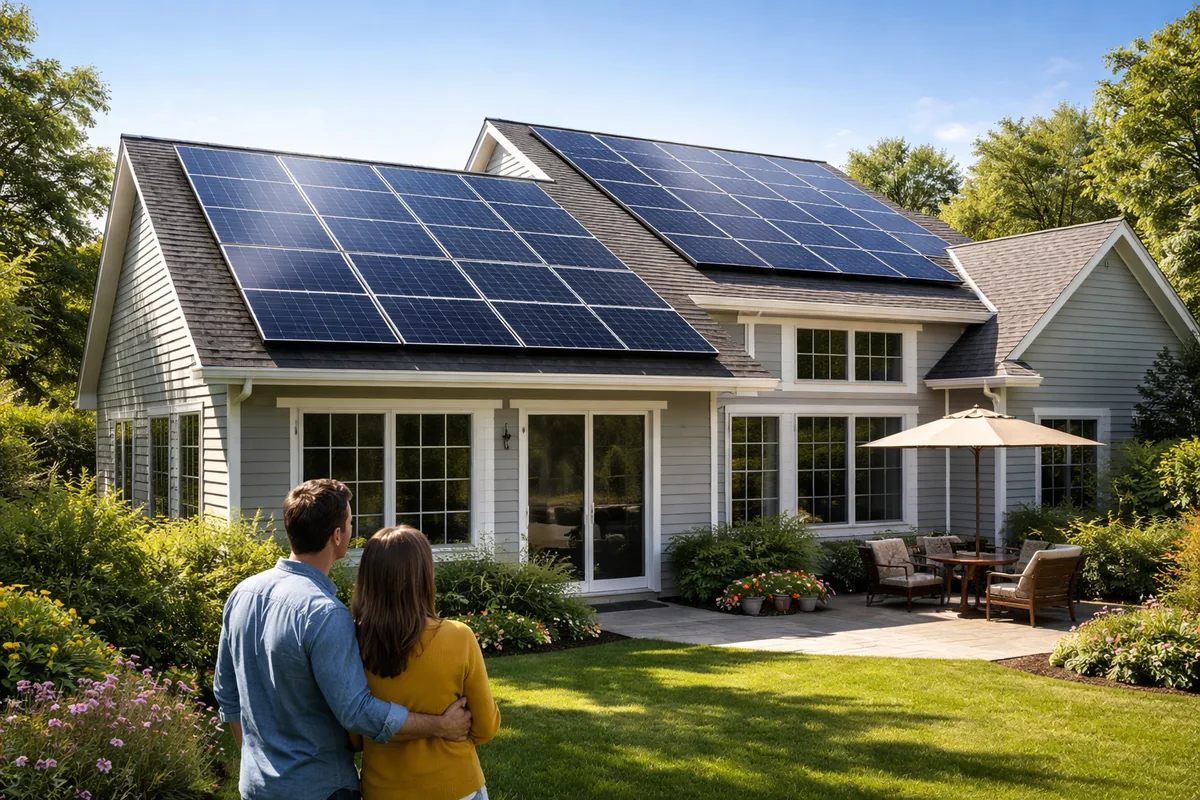
Consider investing in solar panels or solar water heaters to further enhance energy efficiency. These systems can significantly reduce reliance on fossil fuels, lower utility bills, and provide tax incentives. Assess the roof's condition and orientation for maximum solar exposure and consult with a local solar installation company for best practices and potential savings.
| Improvement type | Estimated savings |
|---|---|
| Upgrading insulation | 20-30% |
| Sealing air leaks | 10-30% |
| Replacing windows | 15-20% |
| Upgrading HVAC | 20-40% |
| Using LED lighting | 75% on lighting costs |
Implementing these energy-efficient strategies can dramatically lower energy bills and enhance the comfort of older homes. Each home varies in needs and potential savings, so thorough research and professional consultations may be beneficial.
FAQ
What are the first steps to improve energy efficiency in an old home?
Begin with an energy audit to identify areas of inefficiency, then prioritize improvements such as insulation upgrades and sealing air leaks.
How much can I save by insulating my home?
Upgrading insulation can lead to energy savings of approximately 20-30% on heating and cooling costs, depending on your current insulation levels.
Are energy-efficient appliances worth the investment?
Yes, energy-efficient appliances can reduce energy consumption significantly and often pay for themselves over time through lower utility bills.
What should I look for when replacing windows?
Look for double or triple-glazed windows with a low U-factor and high R-value to ensure maximum efficiency and comfort.
How often should HVAC systems be maintained?
HVAC systems should be serviced at least once a year to maintain efficiency and prolong their lifespan.