What are the signs of inadequate insulation in an attic
Inadequate insulation in an attic can lead to significant energy loss, uncomfortable living spaces, and increased utility bills. Key signs of poor insulation include drafts, temperature inconsistencies, and increased energy expenses. Understanding these indicators can help homeowners take necessary actions to enhance energy efficiency.
Drafts and air leaks
One of the most immediate signs of inadequate attic insulation is the presence of drafts. If you walk through your home and notice cold air seeping in, particularly near windows, doors, or along the ceiling, it may indicate insufficient insulation in the attic. Cold air leaking in means your heating system is working overtime, driving up your energy costs. Using a candle or incense stick can help track down these drafts; if the flame flickers or smoke sways, you likely have air leaks in your home.
Temperature fluctuations
Another clear sign that your attic insulation may be lacking is the varying temperatures between different rooms. If you find that certain areas of your house are consistently colder in the winter and hotter in the summer, your attic insulation may not be sufficient to provide a consistent barrier against external temperatures. Proper insulation helps to maintain a stable indoor temperature by minimizing heat transfer, allowing for more efficient heating and cooling throughout the home.
High energy bills
A noticeable increase in your energy bills is a strong indicator that your attic insulation is failing. Poor insulation allows the conditioned air to escape, prompting your HVAC system to work harder to maintain a comfortable indoor climate, leading to elevated energy consumption. By comparing your energy bills over several months, you can evaluate whether there’s a sudden spike that may correlate with changes in insulation performance during seasonal transitions.
Unusual roof and attic conditions
Pay attention to the condition of your roof and attic space. If you notice ice dams forming on your roof during winter, it’s likely due to inadequate attic insulation. Ice dams occur when heat escapes from the attic, melting snow on the roof, which then refreezes at the eaves. This can lead to damage not only to the roof but also to the insulation and drywall within the attic. Additionally, if your attic is excessively hot in the summer despite having a proper ventilation system, it may indicate that the insulation isn’t performing as it should.
Visible signs of moisture or mold
Moisture and mold are often telltale signs of inadequate insulation. Insulation material that absorbs moisture can quickly become ineffective, allowing heat to escape in the winter and enter during the summer. Look for dark spots or streaks on ceiling joists and the underside of the roof sheathing, as these may signify mold growth typically resulting from condensation caused by warm, humid air leaking from the living area. Addressing moisture issues as they arise not only improves the insulation's efficacy but also contributes to a healthier living environment.
What to do if you suspect inadequate insulation
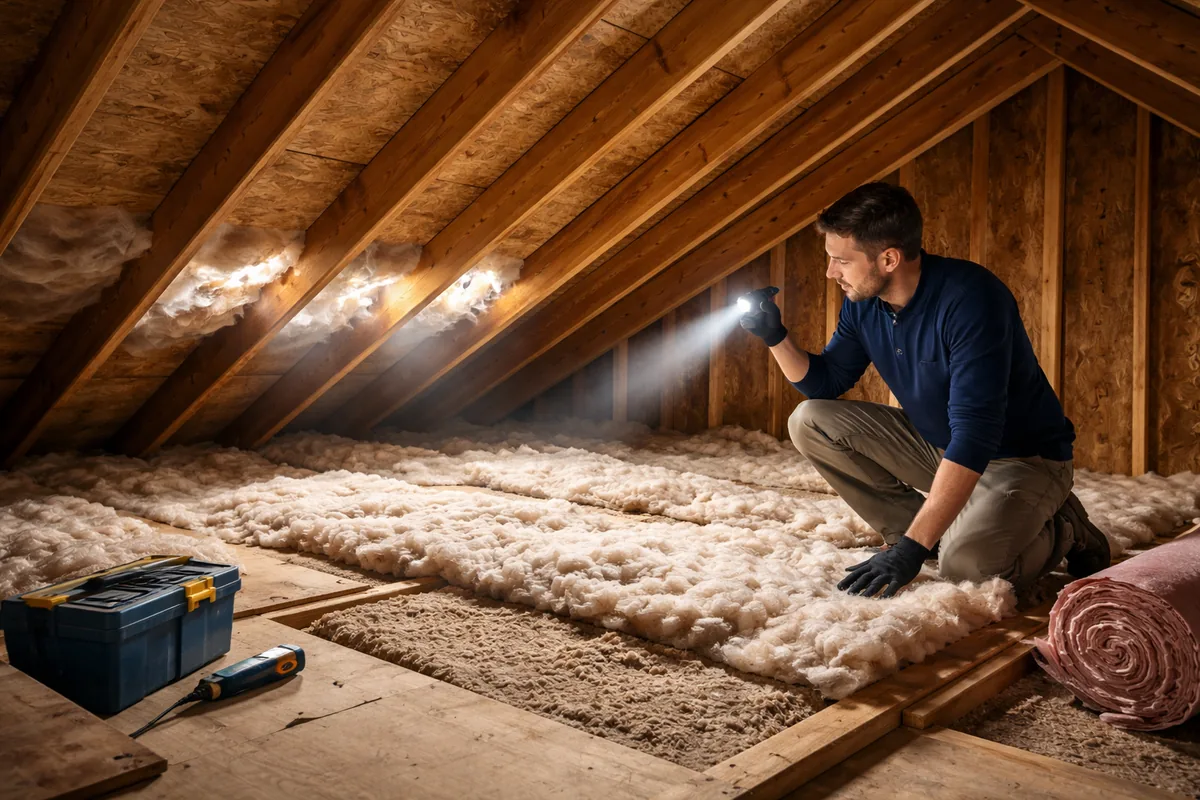
If you identify any of these signs, it’s crucial to take action. Start by conducting a thorough inspection of your attic, paying close attention to insulation materials and areas where air leaks may occur. You may need to add more insulation, replace ineffective materials, or seal gaps to improve the overall effectiveness. Hiring a professional can help ensure your attic insulation meets current standards and is properly installed for maximum energy efficiency.
Types of insulation materials and their effectiveness
| Type of insulation | R-value (per inch) | Best for |
|---|---|---|
| Fiberglass batts | 2.9 to 4.3 | Attics, walls |
| Foam board | 3.6 to 6.5 | Attics, foundations |
| Spray foam | 5.0 to 6.5 | Air sealing, hard-to-reach areas |
| Cellulose | 3.1 to 4.0 | Any type of space needing insulation |
FAQ
What is the recommended R-value for attic insulation?
The recommended R-value for attic insulation varies depending on the climate zone, but it generally ranges between R-30 to R-60 for optimal energy efficiency.
Can I add insulation on top of old insulation?
Yes, adding insulation on top of existing insulation is often advisable as long as the existing insulation is dry and in good condition. Ensure no moisture issues are present before proceeding.
How can I improve attic ventilation?
Improving attic ventilation can be achieved by installing ridge vents, soffit vents, or gable vents to promote air circulation and reduce excess heat buildup.
Is it cost-effective to upgrade my attic insulation?
Upgrading attic insulation is typically cost-effective, as it can lead to significant energy savings over time and create a more comfortable living environment.
How do I know if I need to replace my insulation?
Signs that indicate the need for insulation replacement include visible damage, mold growth, high energy bills, and noticeable drafts within the home.