How to calculate energy savings from installing new windows
Calculating energy savings from installing new windows involves comparing your current energy costs with anticipated reductions post-installation. By analyzing the energy performance ratings of windows and your local climate conditions, you can estimate significant savings on heating and cooling.
Understanding energy performance ratings
Each window comes with specific performance metrics, primarily the U-factor, Solar Heat Gain Coefficient (SHGC), and Visible Transmittance (VT). The U-factor measures how well a window insulates; the lower the U-factor, the better the insulator. The SHGC indicates how well the window blocks heat from sunlight; lower values can help keep your home cooler in warm climates. Finally, VT measures how much light passes through the window. When selecting new windows, aim for low U-factors and SHGC ratings tailored to your climate zone for optimal energy savings.
Calculating your current energy usage
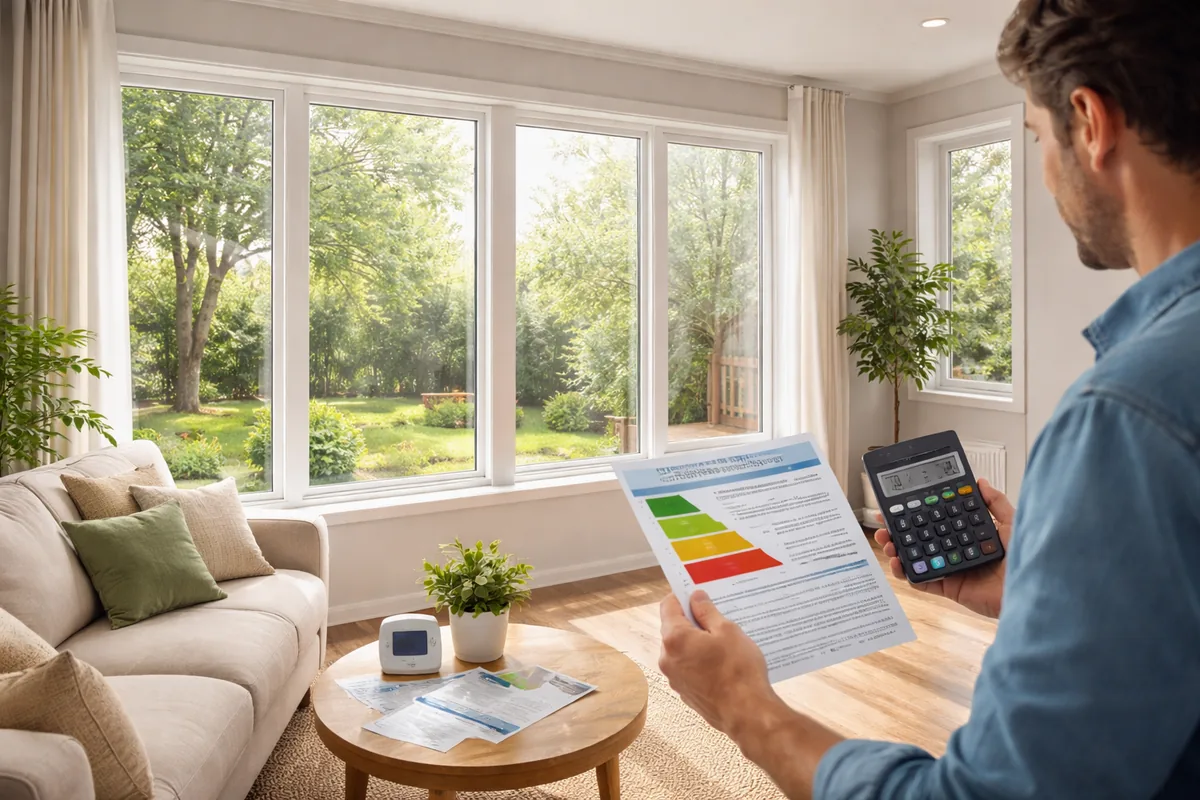
Start by assessing your current energy usage and costs associated with heating and cooling your home. Review your energy bills to determine your average monthly costs in both winter and summer months. For heating, consider the heating degree days (HDD) for your location, while for cooling, consider cooling degree days (CDD). These figures quantify the demand for energy needed to heat or cool your home. Upon gathering this data, you can better estimate how new windows may impact these figures.
Estimating potential savings
To estimate energy savings, calculate the difference between your current estimated energy usage and the anticipated usage after installing new windows. Use the following formula:
Energy savings = Current energy usage - Estimated energy usage with new windows
To find the estimated energy usage with new windows, multiply the total heating and cooling degree days by the difference in U-factors with your old and new windows. The Department of Energy provides guidelines to help you calculate these values based on your geographical area and average weather conditions. An Energy Star certified window can typically reduce heating costs by 10% to 20%.
| Window type | U-Factor | Estimated savings per window |
|---|---|---|
| Single pane | 1.1 | $100 |
| Double pane | 0.3 | $150 |
| Low-E triple pane | 0.2 | $200 |
Local climate considerations
Understanding your local climate is crucial for accurate energy savings calculation. For example, homes in colder climates may experience greater savings from improved insulation during winter months. Conversely, residents in warmer areas may benefit more from low-solar heat gain windows. Be sure to consider the local average temperature and humidity levels to correctly assess how much energy your new windows can save throughout the year.
Utilizing tools for an accurate estimate
Various tools and software can simplify the process of calculating energy savings from new window installations. Many window manufacturers offer online calculators that can provide project estimates based on your unique specifications, including type, size, and local energy rates. Additionally, programs funded by the Department of Energy allow homeowners to input their information to analyze the potential financial and energy savings of the new windows.
Tax incentives and rebates
Make sure to explore local and federal tax incentives or rebates that may apply to your window installation project. Many programs encourage energy-efficient home improvements to reduce overall energy consumption. These savings can significantly reduce the net cost of your new windows, further enhancing your investment in energy efficiency.
Maximizing energy efficiency
To maximize your energy efficiency after new window installation, ensure proper sealing and installation. Gaps, drafts, or poor insulation can negate potential energy savings. Consider additional measures such as using window coverings to complement your new windows or even investing in energy-efficient HVAC systems. Each additional measure can compound the total savings on your energy bills.
FAQ
How much can I save by replacing windows?
The savings vary widely depending on the type of windows, your local climate, and energy costs, but could generally range from 10% to 20% in heating or cooling costs.
What window features affect energy efficiency?
Key features include U-factor, SHGC, VT, as well as frame materials, gas fills, and low-emissivity (Low-E) coatings that enhance insulation and reduce heat transfer.
Are there local incentives for window replacement?
Many states and utility companies offer rebates or tax incentives for energy-efficient upgrades. Check with local programs or tax agencies for specific opportunities.
Can I install windows myself to save money?
While DIY installation can save labor costs, improperly installed windows can lead to air leaks and moisture issues, potentially reducing energy savings.
How do I choose between window types?
Consider your climate, energy efficiency ratings, and aesthetic preferences. Research each type's advantages regarding insulation, cost, and durability to make an informed decision.