What insulation materials are best for a basement renovation
The best insulation materials for a basement renovation depend on factors like moisture resistance, thermal performance, and ease of installation. Among the most effective options are foam board insulation, fiberglass batts, and spray foam insulation, each offering unique benefits.
Understanding moisture barriers
Basements are often susceptible to moisture and dampness, making the choice of insulation material critical. It’s essential to start with a moisture barrier, typically a polyethylene sheet, which helps prevent water vapor from penetrating insulation and drywall. Properly implementing a moisture barrier not only protects your insulation but also enhances your home’s overall energy efficiency. When selecting insulation, consider materials that work in tandem with a moisture barrier to provide maximum protection.
Foam board insulation
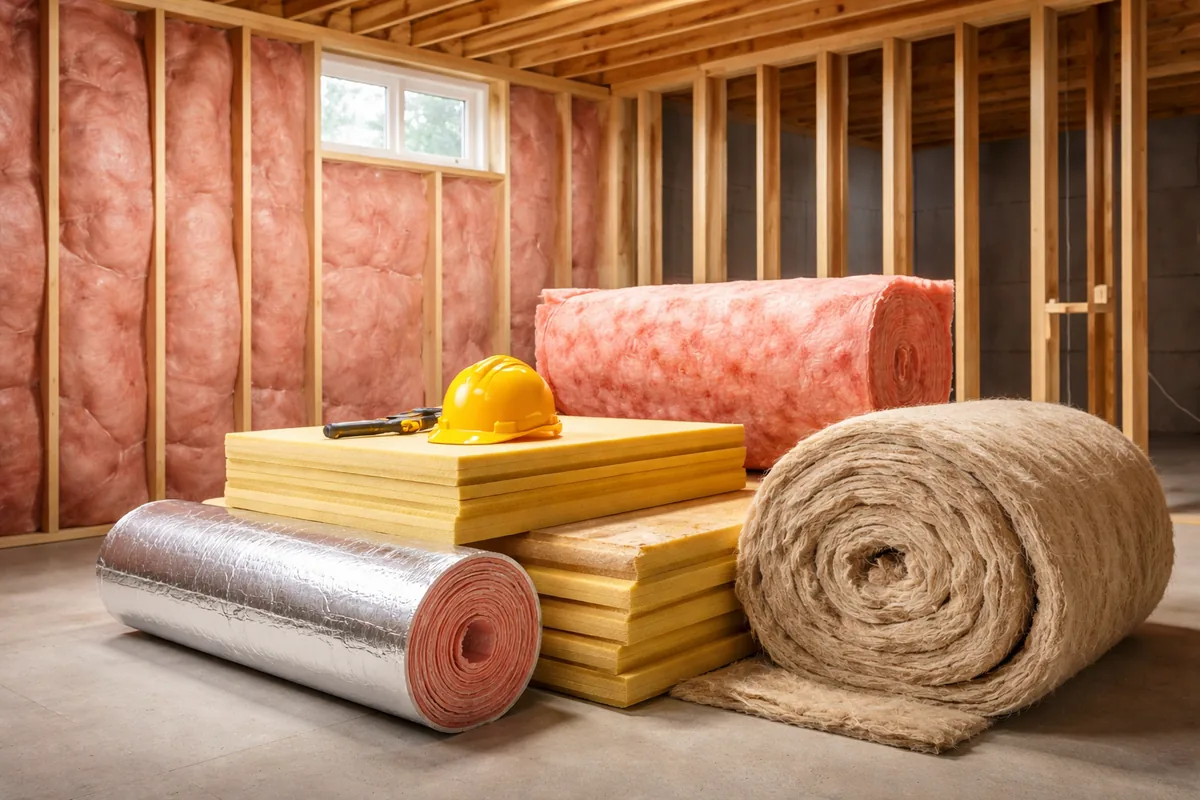
Foam board insulation is a highly effective solution for basement renovations. Available in various thicknesses, it provides excellent thermal resistance (R-value) and acts as a moisture barrier due to its impermeability to water. Foam boards are typically made from polystyrene or polyisocyanurate, both of which offer superior insulation properties. Installation is relatively straightforward; sheets can be cut to size and easily affixed to basement walls or ceilings. The rigid structure of foam board makes it a popular choice, as it not only insulates but also straightens and reinforces walls.
Fiberglass batts
Fiberglass batts are commonly used for insulating basements due to their affordability and effectiveness. This material is made from tiny glass fibers, forming a non-combustible and moisture-resistant blanket. While fiberglass has a decent R-value, benefits can diminish if it becomes wet, hence the importance of pairing it with moisture barriers. Installation involves fitting batts between studs, making it a practical option for DIY enthusiasts. Moreover, fiberglass batts are available in pre-cut sizes, enabling quicker installation time.
Spray foam insulation
Spray foam insulation has gained popularity in recent years, particularly for its ability to conform to irregular surfaces, filling gaps and cracks effectively. Composed of polyurethane, it expands upon application, creating a tight seal that minimizes air leaks. This not only improves thermal performance significantly but also assists in soundproofing the space. Spray foam does require professional installation to ensure it is applied correctly, making it one of the pricier options. However, its long-term energy savings and insulation capabilities often outweigh the initial expense.
Reflective or radiant barrier insulation
Another consideration for basement renovations is the use of reflective or radiant barrier insulation. This type of insulation reflects radiant heat away, which can help maintain cooler temperatures in warmer months. It is particularly effective in warmer climates and can be a beneficial addition if the basement will be used as a livable space. Reflective barriers are often installed in conjunction with other materials to enhance overall energy efficiency.
Comparative analysis of insulation materials
| Insulation Type | R-Value per inch | Moisture Resistance | Installation Method | Cost per sq ft |
|---|---|---|---|---|
| Foam board | 5 to 6 | Excellent | Easy | $0.60 - $1.20 |
| Fiberglass batts | 2.9 to 4.3 | Moderate | Moderate | $0.40 - $0.70 |
| Spray foam | 6 to 7 | Excellent | Professional | $1.00 - $2.50 |
| Reflective barrier | 1.5 to 2 | Good | Moderate | $0.20 - $0.50 |
The role of insulation in energy efficiency
The selection of the right insulation materials for your basement can significantly impact your home's energy efficiency. Well-insulated basements not only reduce heating and cooling costs but also improve indoor air quality and comfort. By preventing cracks and gaps, quality insulation restricts airflow and keeps the temperature stable throughout the year. This means a more consistent climate control and reduced reliance on HVAC systems.
Long-term benefits of proper insulation
Investing in high-quality insulation materials pays off in the long run through lower energy bills and enhanced property value. Homes with effective insulation tend to appeal more to potential buyers, highlighting the importance of energy efficiency in today's market. Additionally, proper insulation reduces wear and tear on your heating and cooling systems by ensuring they run less frequently and for shorter durations.
FAQ
What is the best insulation for a basement?
The best insulation for a basement renovation is often foam board insulation due to its high R-value and moisture resistance.
How can I prevent moisture in my basement?
Prevent moisture in your basement by applying a moisture barrier and using materials like foam board insulation that resist water penetration.
Is spray foam insulation worth the investment?
Yes, spray foam insulation is worth the investment for its superior sealing capabilities, which significantly improve thermal performance.
How do I choose insulation for my basement renovation?
Choose insulation for your basement renovation based on R-value, moisture resistance, and your budget, considering installation complexity.
Can I install insulation myself?
You can install some insulation types, like fiberglass batts or foam board, yourself; however, consider professional installation for spray foam.