Where to find government rebates for energy-efficient appliances
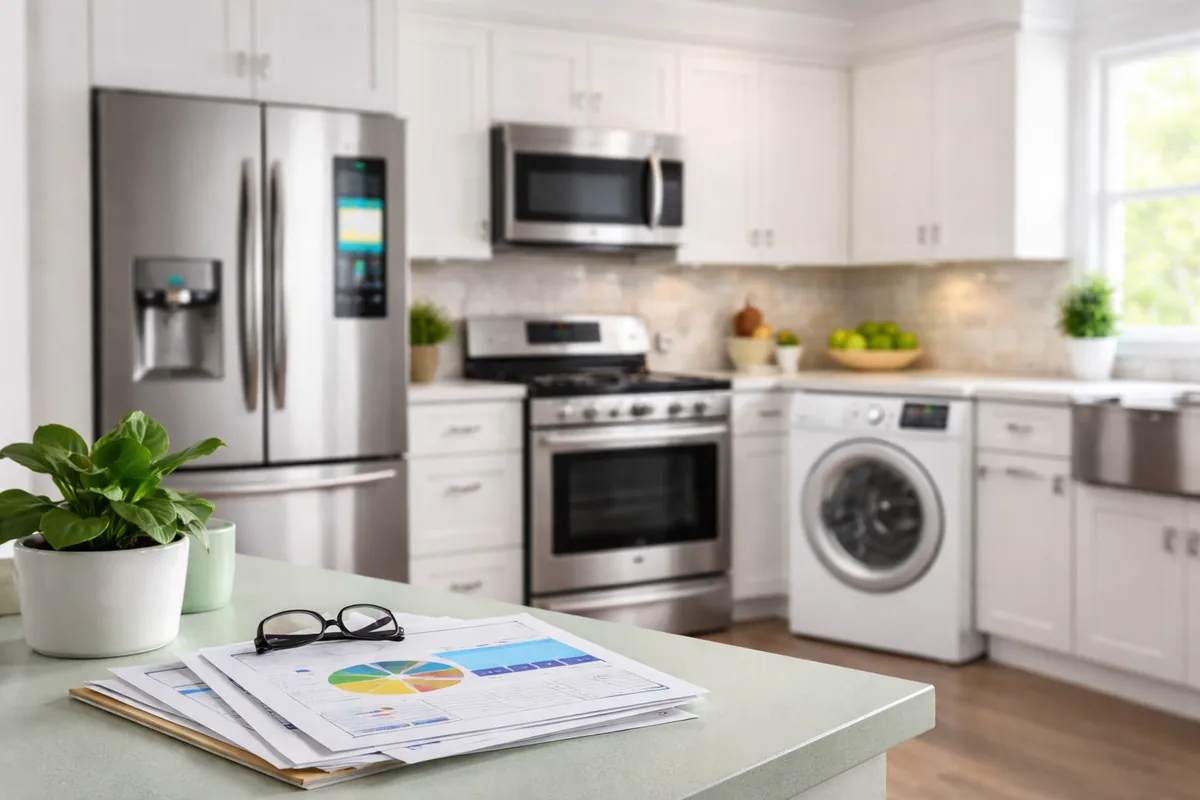
Government rebates for energy-efficient appliances can be found through various federal, state, and local programs designed to encourage energy conservation. These rebates often help offset the initial cost of purchasing and installing energy-efficient appliances, making it more affordable for homeowners to upgrade their systems.
Federal programs and incentives
At the federal level, one of the primary resources for finding rebates is the U.S. Department of Energy (DOE). They provide a range of incentives aimed at reducing energy consumption across the nation. The Energy Star program, managed by the Environmental Protection Agency (EPA), offers a directory of appliances that qualify for rebates in participation with manufacturers and retailers. To claim these rebates, homeowners must ensure they purchase ENERGY STAR certified products specified under the rebate program’s guidelines.
State-level programs
State governments often run their own rebate programs in addition to the federal initiatives. To find state-specific rebates, visit the Database of State Incentives for Renewables & Efficiency (DSIRE). This comprehensive platform allows users to search for programs by state, type of appliance, and specific energy-saving measures. States like California, New York, and Texas are well-known for their robust energy efficiency rebate programs that provide significant financial benefits to homeowners.
Local utility programs
Local utility companies frequently offer rebates as part of their energy efficiency programs to help reduce overall energy demand during peak periods. Homeowners can check their utility company’s website or contact customer service to inquire about available rebates related to appliances, including refrigerators, washing machines, and air conditioning units. Utilities may also have specific requirements for qualifying appliances, making it essential to confirm the details before purchasing.
Non-profit and community organizations
In addition to government programs, many non-profit and community organizations focus on promoting energy efficiency and may provide rebates or financial assistance for appliance upgrades. Organizations such as Natural Resources Defense Council (NRDC) and local community action agencies may offer resources or programs aimed at low-income households to improve energy efficiency. Homeowners should explore these options to benefit from potential financial support for appliance upgrades.
How to apply for rebates
To successfully apply for available rebates, follow these general steps:
- Research: Begin by identifying which appliances qualify for rebates by checking federal, state, and local resources.
- Purchase: Choose and purchase ENERGY STAR certified appliances or those specified by the rebate program.
- Documentation: Keep a record of the purchase receipt and any serial numbers required by the rebate program.
- Submit: Complete the rebate application as instructed on the program's website, ensuring timely submission, as deadlines may exist.
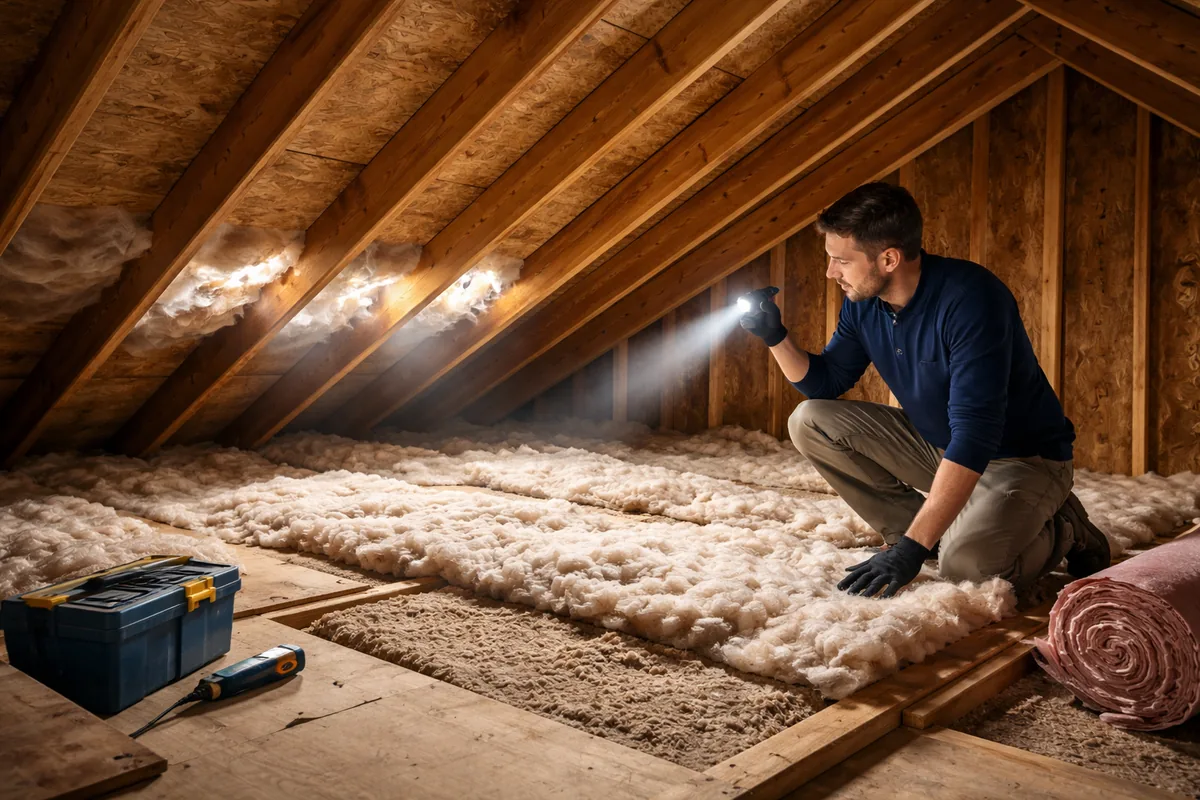
Homeowners can also explore additional rebates for energy efficiency improvements, such as insulation upgrades, HVAC system replacements, and window replacements, that may complement appliance upgrades.
Potential savings and benefits
Implementing energy-efficient appliances not only contributes to lower utility bills but can also significantly reduce carbon footprints. The average household can save a considerable amount over time, depending on the types of appliances upgraded and the local rebate incentives available. Moreover, many energy-efficient appliances come with enhanced features designed to save water and energy, leading to a double benefit of saving on both electricity and water bills.
Understanding rebate limits and restrictions
Different rebate programs have varying limits and guidelines, which can range from a specific dollar amount capped at a set percentage of the purchase price. These restrictions are crucial to understand before applying. Additionally, some programs might have geographical limits, making certain rebates applicable only for specific regions or utilities. Therefore, checking the specifics of each rebate opportunity is essential to maximize benefits.
| Rebate program | Type of appliance | Rebate amount | Eligibility criteria |
|---|---|---|---|
| Federal Energy Star | Refrigerators | $50 - $200 | ENERGY STAR certified |
| California Energy Upgrade | Washing Machines | $75 | Must be part of program |
FAQ
What kind of appliances are eligible for government rebates?
Common eligible appliances include refrigerators, washing machines, dishwashers, and heating/cooling systems that meet ENERGY STAR certification standards.
How do I know if my state has energy-efficient appliance rebates?
You can check the Database of State Incentives for Renewables & Efficiency (DSIRE) website for a comprehensive list of state-specific rebate programs.
What documents do I need to apply for a rebate?
Typically, you'll need your purchase receipt, model numbers, and any additional forms specified in the rebate program guidelines.
Are rebates available for businesses as well?
Many rebates are available for both residential and commercial energy-efficient upgrades, often with differing amounts and criteria.
Can I combine rebates from different programs?
Yes, in many cases, you can stack rebates from different programs, but always check the specific conditions for each to ensure compliance.