Can sealing air leaks reduce heating costs in winter
Yes, sealing air leaks can significantly lower heating costs during winter, enhancing energy efficiency in your home. By addressing areas where warm air escapes and cold air infiltrates, you can maintain a comfortable indoor environment while reducing your heating bills.
Understanding air leaks
Air leaks occur when there is unintentional airflow between the inside and outside of a building. These leaks can arise from a variety of sources, including gaps around windows and doors, holes in walls, and openings around electrical outlets and plumbing fixtures. Air leaks contribute to increased energy consumption because they force your heating system to work harder to compensate for the loss of warm air, resulting in higher energy bills.
How sealing air leaks saves money
When you seal air leaks, you prevent heated air from escaping your home. This not only leads to a more stable indoor temperature, which improves comfort, but it also minimizes the workload on your heating system. For homeowners, this translates into substantial cost savings over the winter months. Studies show that sealing leaks can yield energy savings of 10% to 20%, sometimes even higher, depending on the severity of the leaks. This means that if you typically spend $1,500 on heating, sealing leaks could save you between $150 and $300 each winter.
Identifying air leaks
Finding air leaks in your home is crucial for effective sealing. Common areas where air leaks are found include:
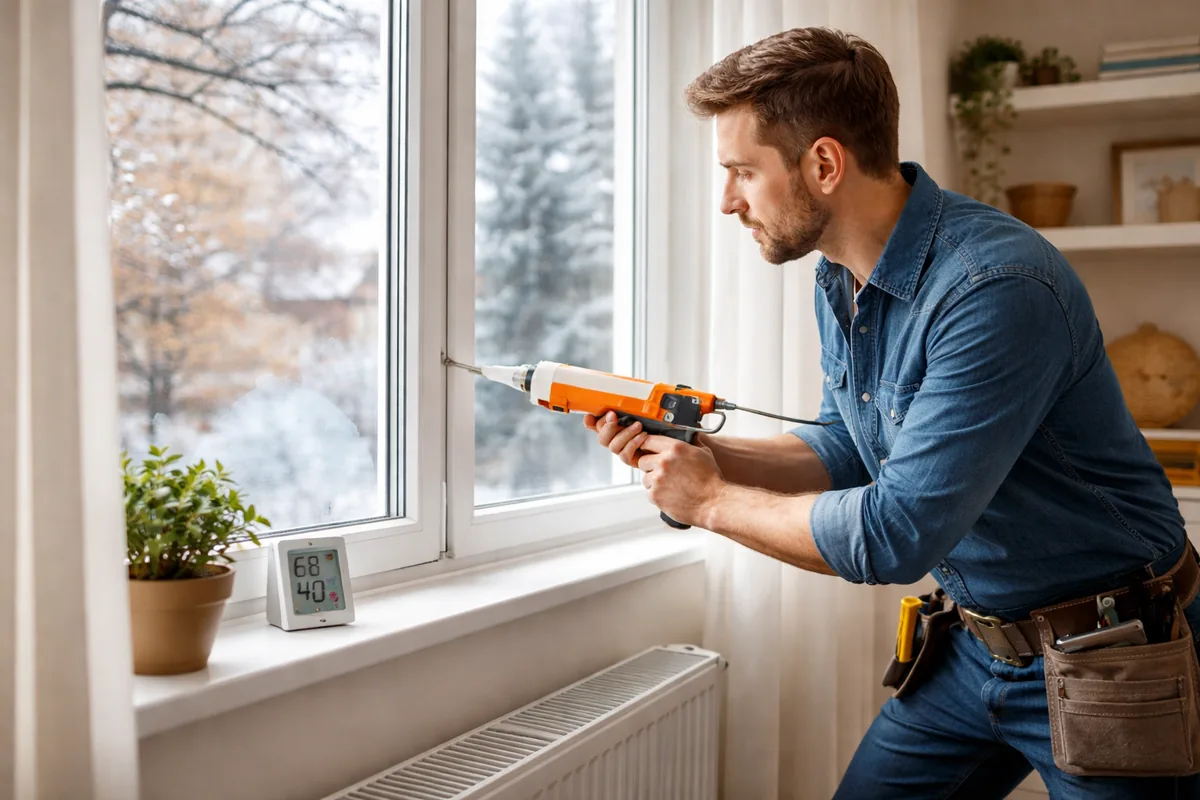
- Windows and doors—look for gaps and cracks where the frames meet the structure.
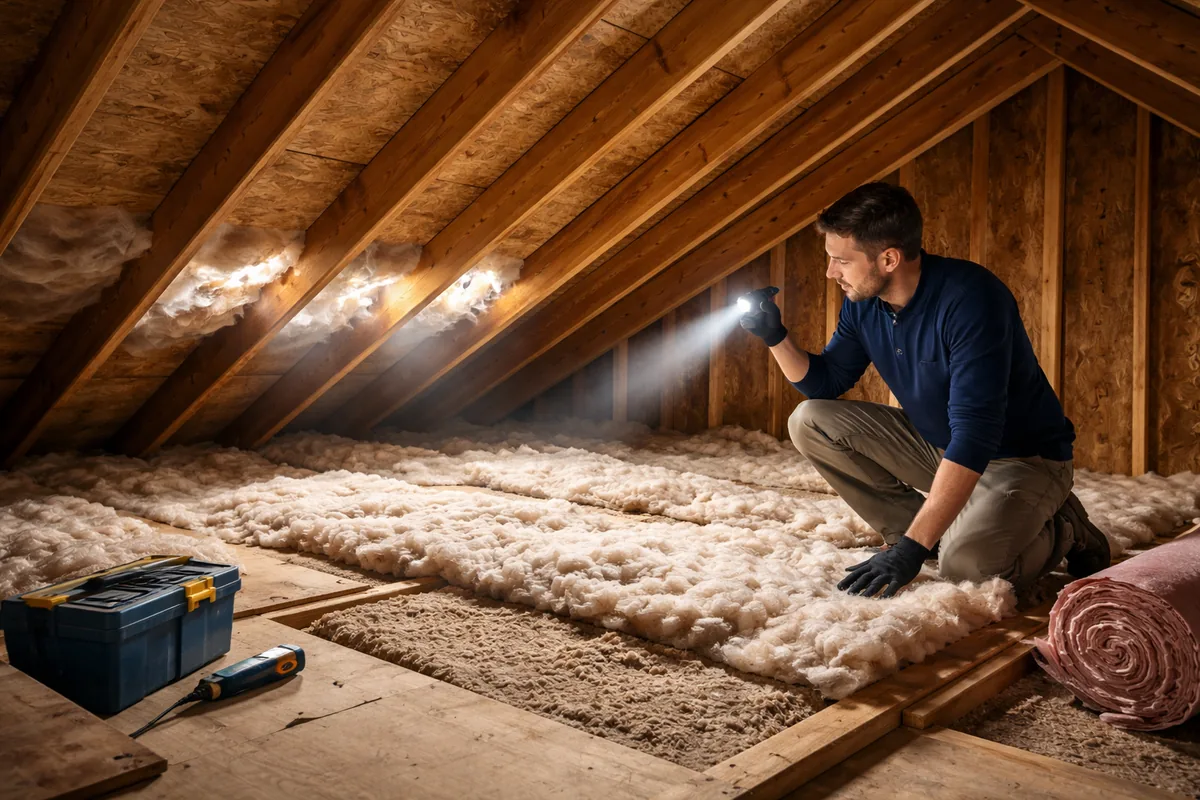
- Attics and crawl spaces—inspect insulation and any potential holes.
- Electrical outlets and switches—unplugging these can help locate drafts.
- Pipes and vents—check areas where these enter the house, as they often go unsealed.
- Baseboards and trim—examine the connection points for any gaps.
Using a thermal imaging camera or performing a simple blow test with a lit candle can help identify drafts, as flame movement indicates airflow.
Best practices for sealing air leaks
Once you have identified the leaks, the next step is sealing them effectively. Here are some recommended methods:
- Weatherstripping: Apply weatherstripping around doors and windows to create a tight seal when they are closed.
- Caulk: Use caulk for cracks and holes in stationary areas, like trim and other static structures. It’s essential for gaps smaller than a quarter inch.
- Foam sealant: For larger gaps, such as those around pipes and vents, expanding foam sealant provides a durable and effective seal.
- Outlet gaskets: Insulating gaskets can be installed behind outlet and switch covers to reduce drafts significantly.
- Insulation: Improve insulation in areas like attics and basements, which can further minimize airflow issues.
Cost of sealing air leaks
The cost of sealing air leaks can vary widely based on the extent of repairs needed. On average, homeowners might spend anywhere from $100 to $500 for materials and supplies if they decide to tackle the project themselves. Hiring a professional can increase costs, ranging from $200 to $1,500, depending on the home size and the complexity of the job. However, the return on investment is often substantial, as the energy savings realized can offset costs over time.
| Method | Average cost | Typical savings |
|---|---|---|
| DIY weatherstripping | $30-$60 | Up to $200/year |
| Professional sealing | $200-$1,500 | Up to $300/year |
The impact on home energy efficiency
By reducing air leaks, homeowners not only save money but also enhance overall home energy efficiency. Improved efficiency means reduced carbon footprints, contributing to a more sustainable environment. A well-sealed home allows for better temperature control, leading to less energy consumption, which is a win-win for both homeowners and the planet.
FAQ
How long does it take to seal air leaks?
The time to seal air leaks can vary depending on the scope of work. A small DIY project can take a few hours, while a professional job might require a full day.
Can I do it myself or should I hire a professional?
Many air leak sealing tasks can be performed by homeowners with basic tools, but for more extensive issues, hiring a professional ensures proper and thorough work.
What materials do I need for sealing air leaks?
Common materials include weatherstripping, caulk, foam sealant, outlet gaskets, and insulation. All are easily accessible at home improvement stores.
Will sealing air leaks make my home too stuffy?
Proper sealing should not make your home feel stuffy. It’s important to balance air quality with energy efficiency by ensuring proper ventilation.
Are there any tax incentives for energy efficiency improvements?
Yes, many states offer tax credits or rebates for energy efficiency upgrades, including sealing air leaks. Check federal and state programs for available incentives.