How often should you replace your HVAC filters for efficiency
To maintain energy efficiency, it is essential to replace HVAC filters every 1 to 3 months. This frequency depends on various factors including filter type, HVAC system usage, and environmental conditions.
Understanding HVAC filters
HVAC filters are critical components in heating, ventilation, and air conditioning systems. They trap airborne particles like dust, pollen, and pet dander, preventing them from circulating in your home. By maintaining clean filters, you not only improve indoor air quality but also enhance the overall efficiency of your HVAC system.
Factors influencing filter replacement frequency
Several elements contribute to how often you should change your HVAC filters. These include:
- Filter type: Different filters come with varying lifespans. Disposable fiber filters typically need replacing every 1 to 3 months, while pleated filters can last up to 6 months depending on their MERV ratings.
- System usage: If your HVAC system runs frequently or is used year-round, filters will clog more quickly, necessitating more frequent changes.
- Household factors: Homes with pets or smokers often require more frequent filter changes due to additional particulates in the air.
- Environmental conditions: If your home is located in a dusty area or near construction sites, HVAC filters may need to be changed more often.
The impact of dirty filters on energy efficiency
Filthy filters can significantly reduce your HVAC system's efficiency. When filters become clogged, airflow is restricted, causing the system to work harder to maintain the set temperature. This increased workload can lead to higher energy bills and even premature system failure. Therefore, regular replacement of filters not only saves energy but also prolongs the lifespan of your HVAC unit.
Signs that your filters need changing
In addition to sticking to a regular schedule, be on the lookout for signs indicating that your HVAC filters need replacing. These may include:
- Reduced airflow: If you notice decreased airflow from the vents, it could signal a clogged filter.
- Increased energy bills: A spike in energy costs can indicate that your HVAC system is struggling to operate efficiently.
- Unusual noises: Strange sounds coming from the system may suggest that it is overworking due to restricted airflow.
Cost of HVAC filter replacement
The cost of replacing HVAC filters can vary based on the filter type and brand. Basic fiberglass filters are generally inexpensive, often costing less than $20 for a pack of multiple filters, whereas high-efficiency filters may range from $30 to $60 for a single unit. Investing in higher quality filters can lead to better air quality and energy savings in the long run, making them worth the upfront cost.
How to change your HVAC filters
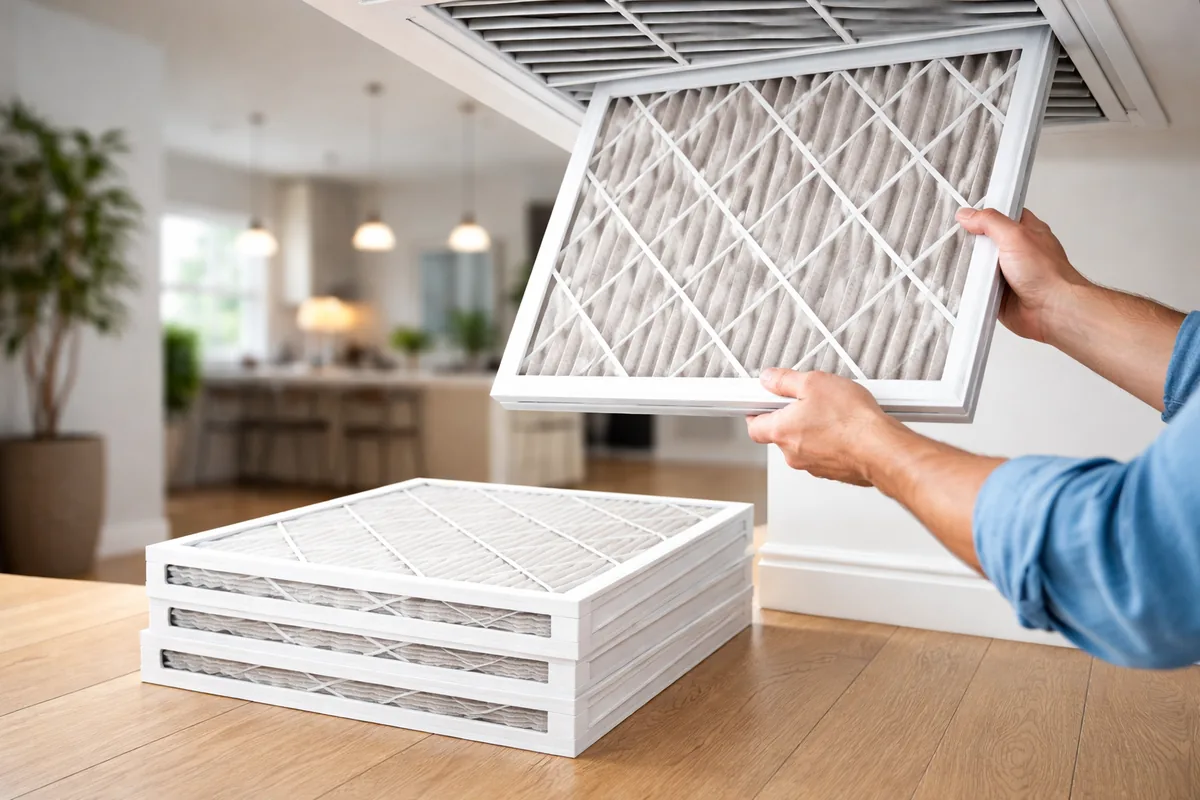
Replacing HVAC filters is a simple task that homeowners can often perform themselves. Start by turning off your HVAC system to prevent dirt and dust from being blown into the air. Locate your filter, typically found near the return air duct or inside the blower compartment. Remove the old filter, taking note of its orientation for proper installation of the new filter. Insert the new filter in the correct position, ensuring any arrows indicating air flow direction are followed. Finally, turn your system back on and set a reminder for your next filter change.
| Filter Type | Typical Lifespan | Cost Range ($) |
|---|---|---|
| Fiberglass | 1-3 months | 10-20 |
| Pleated | 3-6 months | 20-60 |
| HEPA | 6-12 months | 30-80 |
Maintaining a filter replacement schedule
To avoid the hassle of dealing with unclean filters, establish a replacement schedule based on the factors discussed earlier. Setting reminders on your phone or scheduling monthly check-ups can ensure that you consistently maintain your HVAC filters. Some smart thermostats even allow you to receive alerts when it's time to change your filters, making it easier to manage your home’s HVAC efficiency.
Additional HVAC maintenance tips
In addition to changing filters regularly, consider these maintenance practices for enhanced HVAC efficiency:
- Annual professional servicing: Schedule a technician to perform a full inspection and maintenance on your HVAC system annually.
- Keep vents clear: Ensure that furniture and other objects do not obstruct airflow from the vents.
- Seal leaks: Check for and seal any leaks in ducts or around windows and doors to prevent air from escaping.
FAQ
How do I know which filter is right for my HVAC system?
The right filter depends on your HVAC system specifications, which can typically be found in the user manual or on the unit itself. Always choose a filter that matches the size and type indicated.
Can I clean and reuse HVAC filters?
Some reusable filters can be cleaned and reused. However, disposable filters are designed for single use. Always check the manufacturer's guidelines before attempting to clean a filter.
What happens if I never change my HVAC filters?
Failing to change your filters can lead to decreased air quality, higher energy consumption, and potential damage to your HVAC system due to strain from restricted airflow.
How do I check my filter's condition?
Inspect your filter visually. If it appears heavily dust-laden or discolored, it's time to replace it regardless of the time elapsed.
Can changing filters reduce allergies in my home?
Indeed, regularly changing your filters can help reduce allergens like dust, pollen, and pet dander, leading to improved air quality and fewer allergy symptoms.